It began, as many strange stories do, with an accident.
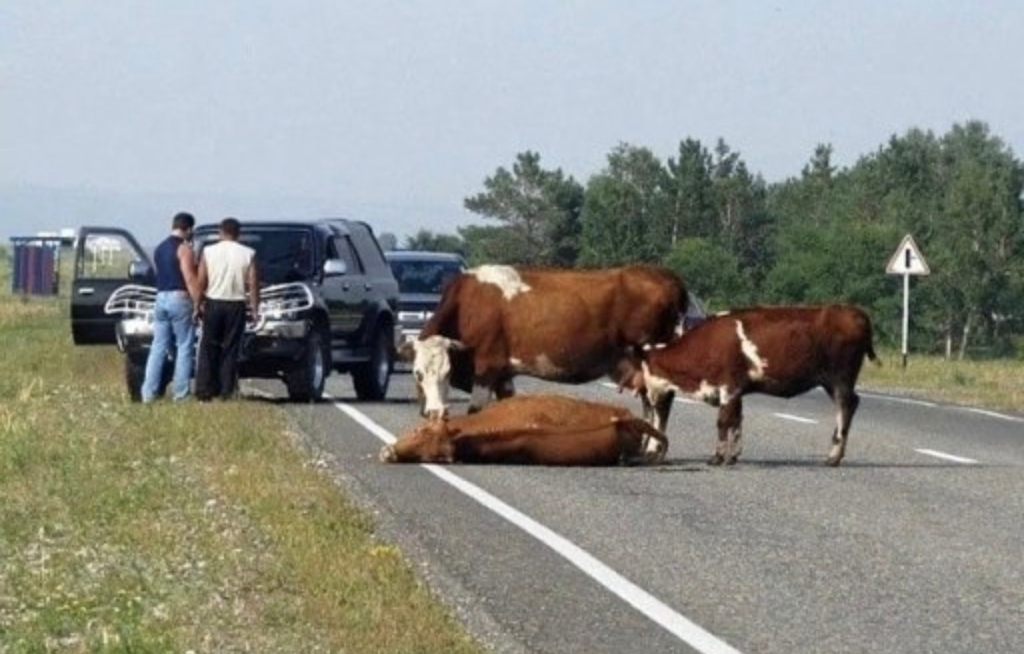
Late one evening, on a quiet rural road, Natalia M., driving her Land Rover home from work, didn’t see the cow until it was too late. The animal stepped out from the roadside grass — calm, slow, unaware — and the heavy SUV struck it with a terrible thud.
The cow died instantly. The car was damaged — badly. Natalia was shaken, furious, and heartbroken all at once. She filed a claim in district court, demanding compensation from the local dairy plant — the owner of the herd. To her, it was simple: their cow had caused her losses. Someone needed to pay.
But then came the reply.
A letter — polite, formal, but written with a wit and humanity that transformed the entire situation. It came from the plant’s director, a man who clearly understood both the law and the art of being human.
He began with respect:
“Dear Natalia Yuryevna, I have read your appeal with great interest and would like to express my apologies — though, I must confess, I do not feel guilty.”
Then, line by line, he turned a legal dispute into a quiet masterpiece of humor and compassion.
“Moreover,” he wrote, “there is a possibility that your car was a source of danger, and you used it as a weapon, causing harm to an unprotected cow. Be glad we are not in India.”
The words, though playful, carried a truth — perspective. In some places, cows are sacred. In others, they are property. But everywhere, they are living beings who never choose where the road will lead them.
“There is no evidence,” he continued, “that the cow, acting on my instructions, died with the intention of causing you material damage. I did not even have the honor of knowing this animal and therefore could not give her orders.”
It was a sentence that drew laughter across the courtroom when read aloud — but beneath the humor, it carried grace. He was reminding everyone that accidents are rarely about guilt or malice. Sometimes, they are simply the crossing of two fates — one human, one helpless.
He went on:
“Usually, drivers slow down when they see cattle on the side of the road, especially if they are large and horned. Since there was no bull present, I find it difficult to believe that my cows were hiding in the bushes, waiting for your car to pass.”
The court chuckled. Even Natalia smiled despite herself.
The letter ended in a tone of gentle irony, yet profound empathy:
“I am ready to provide documents confirming that the deceased cow was a peaceful and calm creature. She had no suicidal tendencies, no terrorist inclinations, and certainly no personal hostility toward Land Rover vehicles.
Since neither I nor my cow can be considered guilty, I reserve the right to file a claim for moral damages caused to our dairy plant, and to the family and friends of the deceased animal.”
When the letter was shared publicly, it spread far beyond the courtroom. People laughed, yes — but they also felt something deeper.
Because in that carefully crafted humor, there was wisdom. The director had managed to turn what could have been an angry, bitter exchange into a moment of shared humanity. He didn’t mock Natalia. He didn’t attack her. He simply used wit to remind her — and all of us — of humility, perspective, and kindness.
The court eventually dismissed the case, ruling it an accident without clear fault. But the story didn’t end there.
Local newspapers picked it up. The letter was reprinted across social media, translated into multiple languages, and discussed in schools as an example of grace under conflict. Some called it “the kindest legal reply ever written.” Others said it was “proof that empathy belongs even in the courtroom.”
Natalia later admitted that she had been angry at first — more out of shock than greed. But when she read his words again, carefully, something softened in her. “He made me laugh,” she said. “And when you laugh, it’s hard to stay angry.”
She even visited the dairy farm months later. The director met her at the gate — the same man who had written that now-famous letter. They shook hands, shared tea, and walked through the fields.
“There are worse things in life than a broken car,” he told her gently. “But there are few things sadder than a good animal gone too soon.”
Standing there among the quiet herd, Natalia understood what he meant. She realized the cow had never been the enemy — just a creature caught in the path of circumstance.
By the end of their conversation, she donated part of her insurance money to help repair the farm fence — a gesture that turned an accident into an act of peace.
In a world often quick to blame, their story became something rare — a reminder that even in conflict, compassion can win.
The letter remains framed on the dairy office wall today — yellowed by time, signed simply:
“With respect and sympathy, The Director.”
And below it, in smaller letters, someone has written in pen:
“Sometimes, a cow and a Land Rover can meet by accident — but decency never should.”
Interesting News AuthorEditorReading5 minViews3k.Published by09.09.2025Modified by09.09.2025 😶 😳 When three wealthy women started mocking a waitress by saying she “smelled poor,” the entire restaurant went […]
18 September 2025 newsworld_wo Uncategorised 0 My story began eleven years ago, when I had just turned eighteen. That day, my biological mother put me out the door […]


Leave a Reply